Is Scratch Good for Beginners?
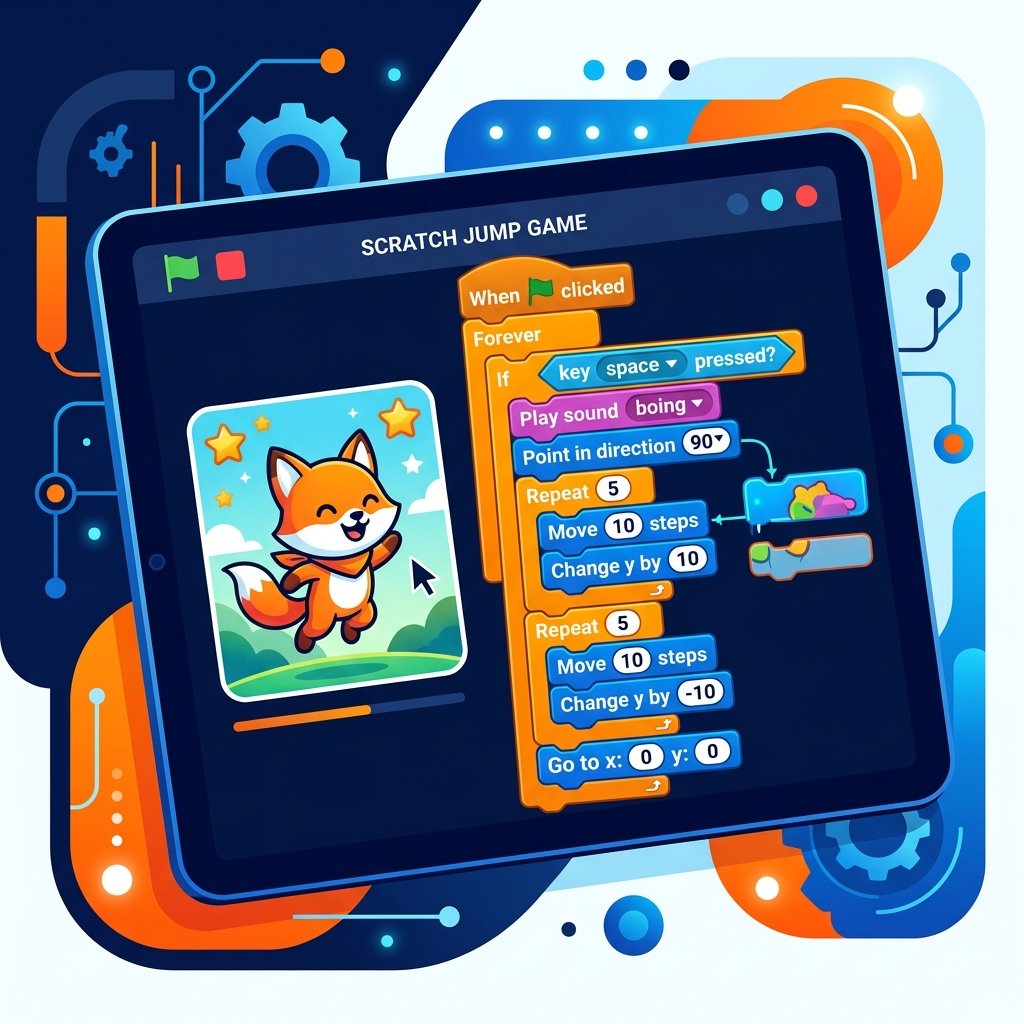
Yes, Scratch is an exceptionally good programming language for beginners. Developed by the Lifelong Kindergarten Group at the MIT Media Lab, Scratch uses a highly visual, drag-and-drop block interface that eliminates syntax errors (like missing semicolons or spelling mistakes) that commonly frustrate new coders. It allows kids and beginner coders of all ages to learn foundational logic concepts—such as loops, conditionals, variables, and events—in a fun, graphical environment. This block-based approach ensures students focus on logical problem-solving and algorithmic thinking rather than memorizing complicated syntax. As a result, Scratch builds immediate confidence, makes code compilation interactive, and serves as the perfect stepping stone to text-based languages like Python and JavaScript.
Why is Scratch so popular for beginner coders?
Scratch's main advantage is its visual design. In traditional languages, typing a single incorrect character can crash the whole script. In Scratch, blocks connect together like puzzle pieces:
- Syntax Elimination: You cannot connect blocks that do not make logical sense.
- Visual Feedback: Results are displayed immediately on the screen inside a 2D canvas, allowing kids to see what their code does instantly.
- Rich Asset Library: Scratch comes with pre-made characters (sprites), backdrops, and sounds, so children can start making stories and games without having to draw or download assets.
Core concepts you learn in Scratch
While Scratch is block-based, it is a fully functioning programming language. By using it, beginners master core computer science abstractions:
- Loops: Creating repetitive motions (e.g. making a character walk).
- Conditionals: Making decisions (e.g. if the character touches a wall, bounce back).
- Variables: Storing data values (e.g. maintaining a player's score).
- Clones: Creating multiple instances of an object (e.g. generating falling obstacles).